
LTTA in GREECE
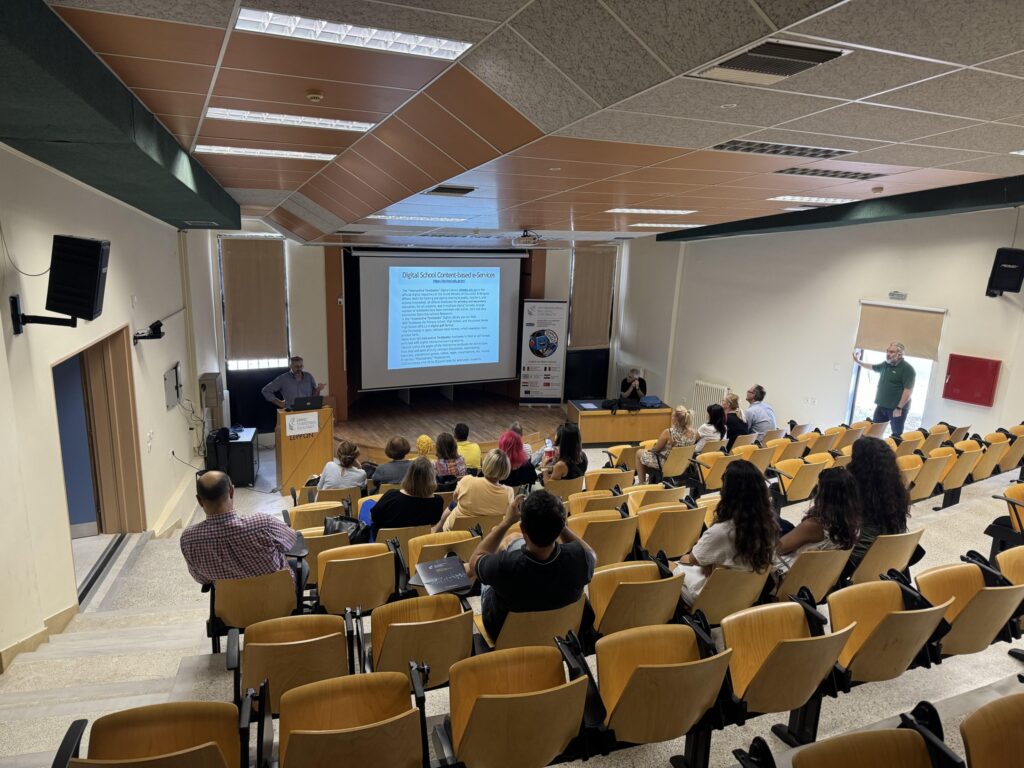
Report on the Learning, Teaching, and Training Activities (LTTA) Meeting in Serres, Greece
Date: 23rd – 28th September 2024
Location: Serres, Greece
Project Title: English as Maths Speech (EMS)
Objective: Enhancing Mathematics Education in English for Non-native Speakers
- Introduction
The Learning, Teaching, and Training Activities (LTTA) meeting in Serres, Greece, was held from September 23rd to September 28th, 2024, as part of the Erasmus+ KA220-SCH project titled “English as Maths Speech (EMS).” The goal of this project is to enhance the teaching and learning of mathematics in English, especially for students and teachers with limited English proficiency. This meeting brought together educators from various countries involved in the project to collaboratively improve strategies, resources, and teaching methods related to mathematics education in English.
- Overview of the Meeting
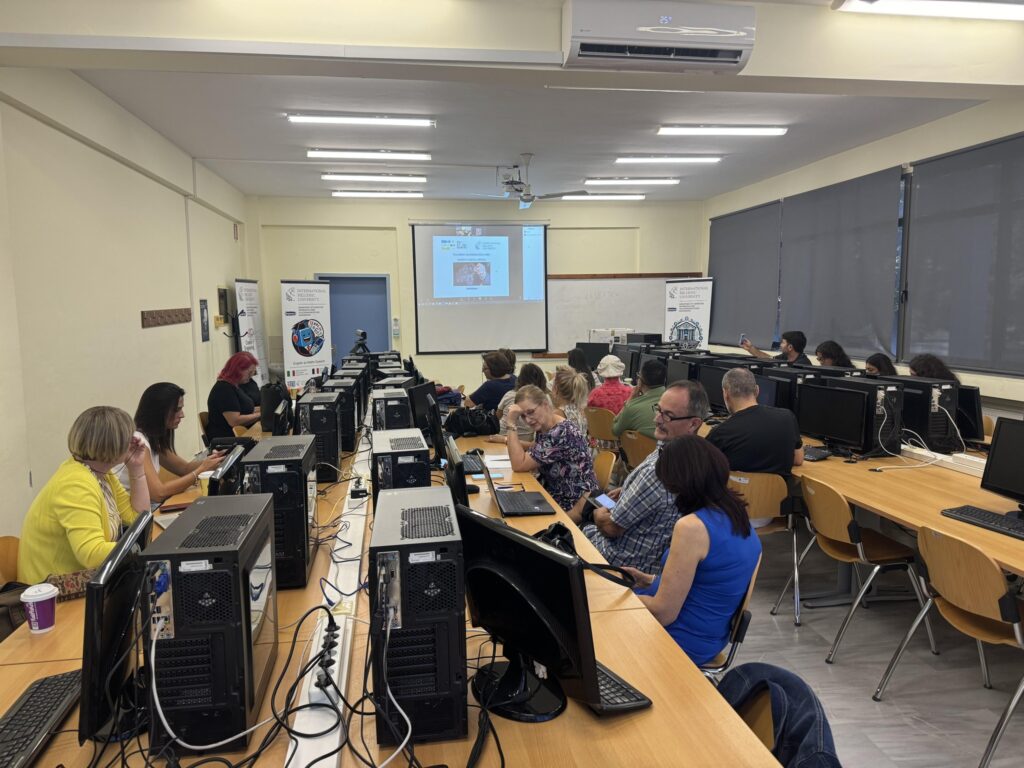
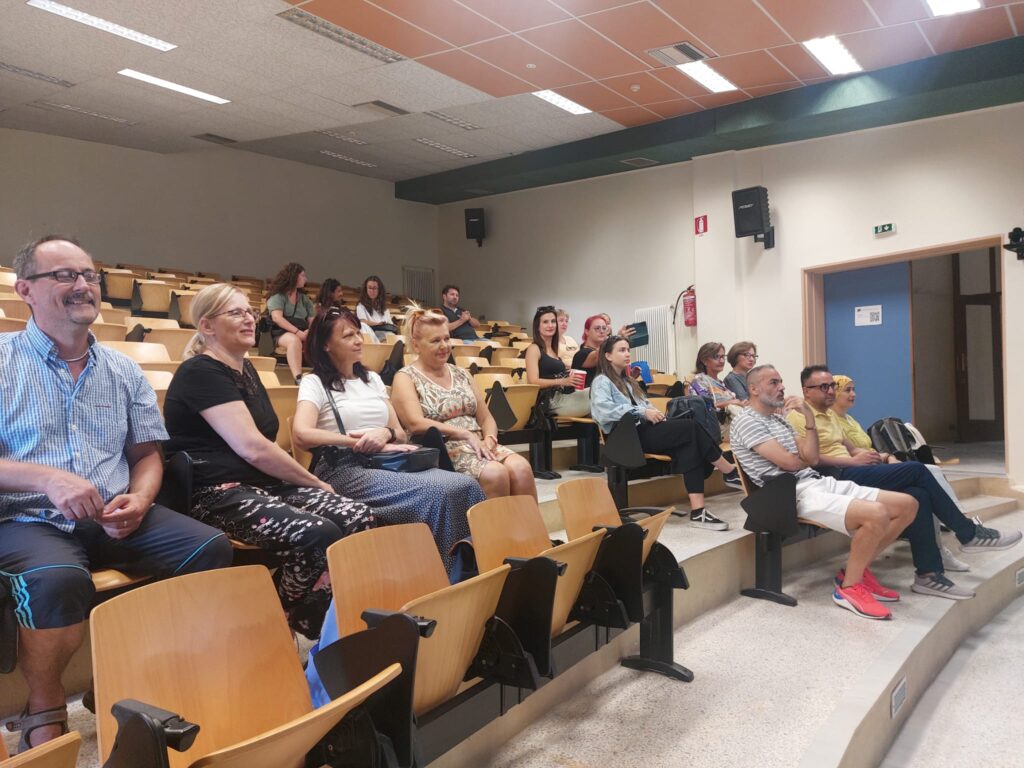
The meeting lasted five days, during which participants engaged in a series of structured sessions. The agenda focused on improving math instruction using the English language, discussing the integration of technology, and exploring interdisciplinary approaches to math teaching.
Day 1: Introduction to Mathematical Terminology in English
- Welcome Session: The meeting began with a welcome address, setting the tone for the collaborative week ahead.
- Session on Mathematical Terminology: Participants were introduced to common mathematical terms and vocabulary in English. This session emphasized the need for fluency in mathematical language to enhance both teaching and learning experiences.
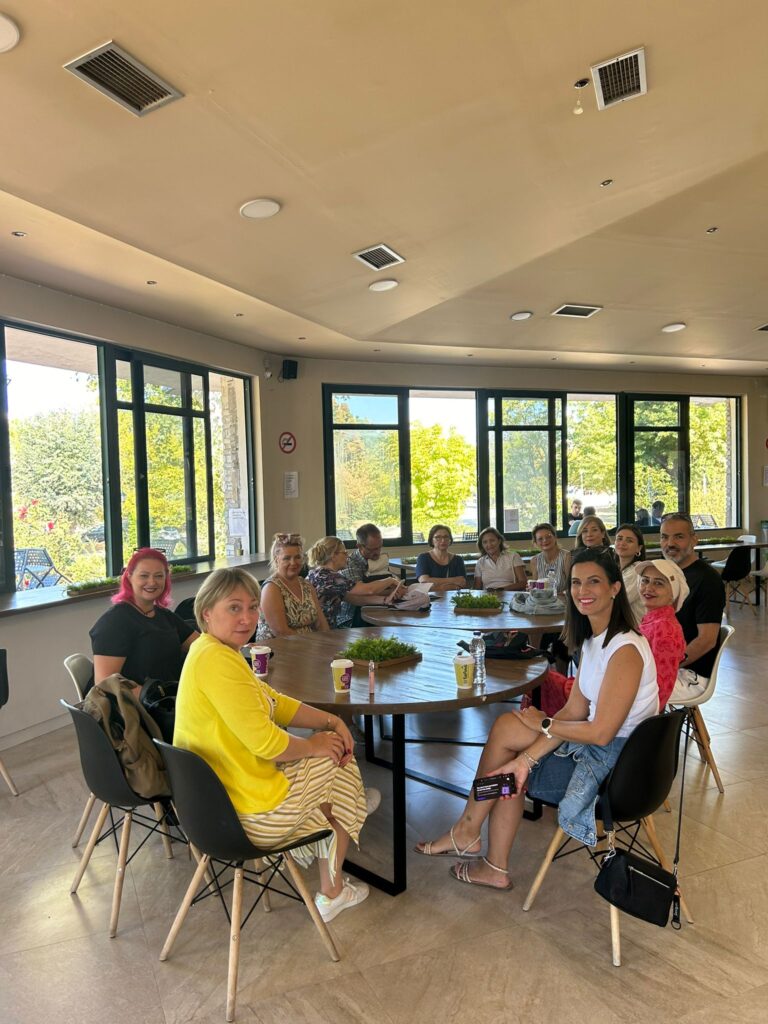
- Discussion: A group discussion was held on how learning math in English can improve overall teaching outcomes. Teachers from different regions shared their experiences, challenges, and strategies.
- Problem-solving Exercises: Teachers participated in problem-solving exercises, focusing on key topics such as numbers, arithmetic, and algebra. This hands-on approach provided practical insights into teaching methods.
Day 2: Incorporating Technology into Mathematics Teaching
- Technology Tools: An introduction to various technological tools and applications for teaching mathematics was conducted. Participants explored tools such as interactive whiteboards, multimedia platforms, and other digital resources.
- Discussion: Participants discussed how these tools could enhance students’ understanding of mathematical concepts, especially for non-native English speakers.
- Interactive Learning: The session concluded with the use of online resources to teach topics such as probability, statistics, geometry, and proofs. This demonstrated how multimedia could make abstract concepts more accessible.
Day 3: Differentiated Instruction in Mathematics
- Differentiation Strategies: Teachers explored strategies to meet the diverse learning needs of students. This included differentiating instruction based on students’ language abilities, learning styles, and academic levels.
- Problem-solving with Differentiation: Exercises were conducted that integrated different learning styles and abilities into the mathematics curriculum, ensuring inclusive teaching practices were at the forefront.
Day 4: Interdisciplinary Learning – Connecting Mathematics with Science
- Connections with Science: This day focused on the interdisciplinary nature of mathematics, particularly its application in physics and chemistry. Teachers discussed how to teach mathematical concepts within the broader context of scientific disciplines.
- Problem-solving in Science: Participants worked on exercises that incorporated scientific principles into math problems, demonstrating the relevance of mathematics across different fields.
Day 5: Review, Feedback, and Evaluation
- Incorporating Culture and Language in Teaching: A session was dedicated to exploring how culture and language can be integrated into mathematics education to make learning more relatable for students from diverse backgrounds.
- Peer Review and Feedback: Participants reviewed the mathematical content created during the training sessions. Peer feedback was provided to improve the quality and applicability of the resources.
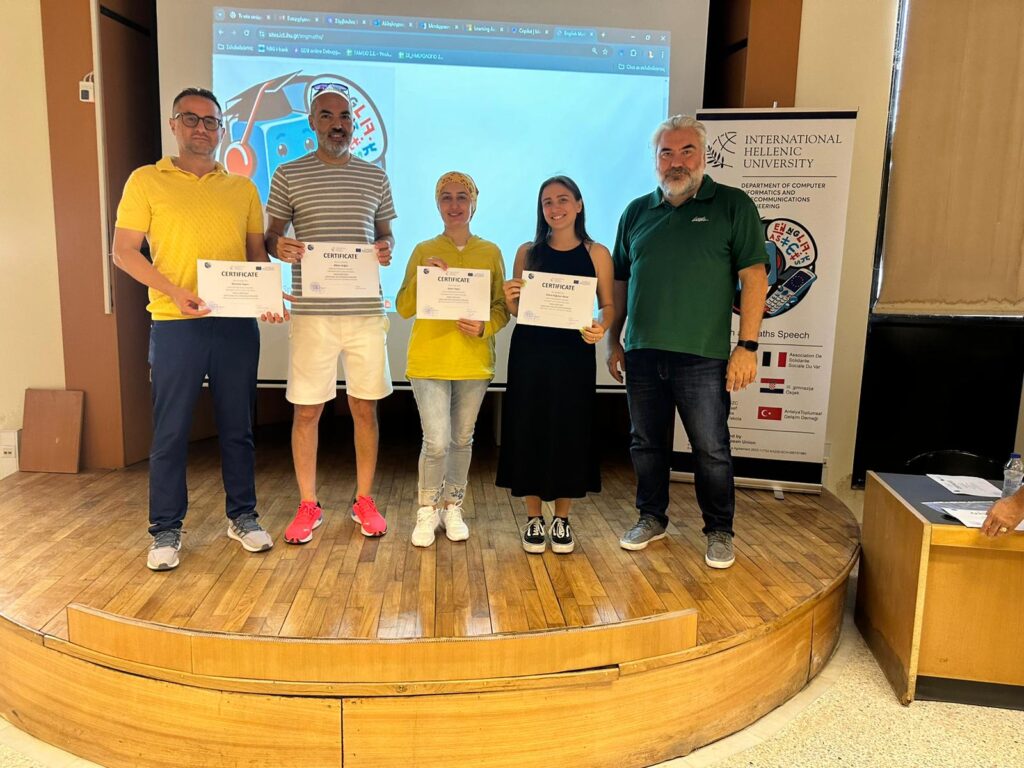
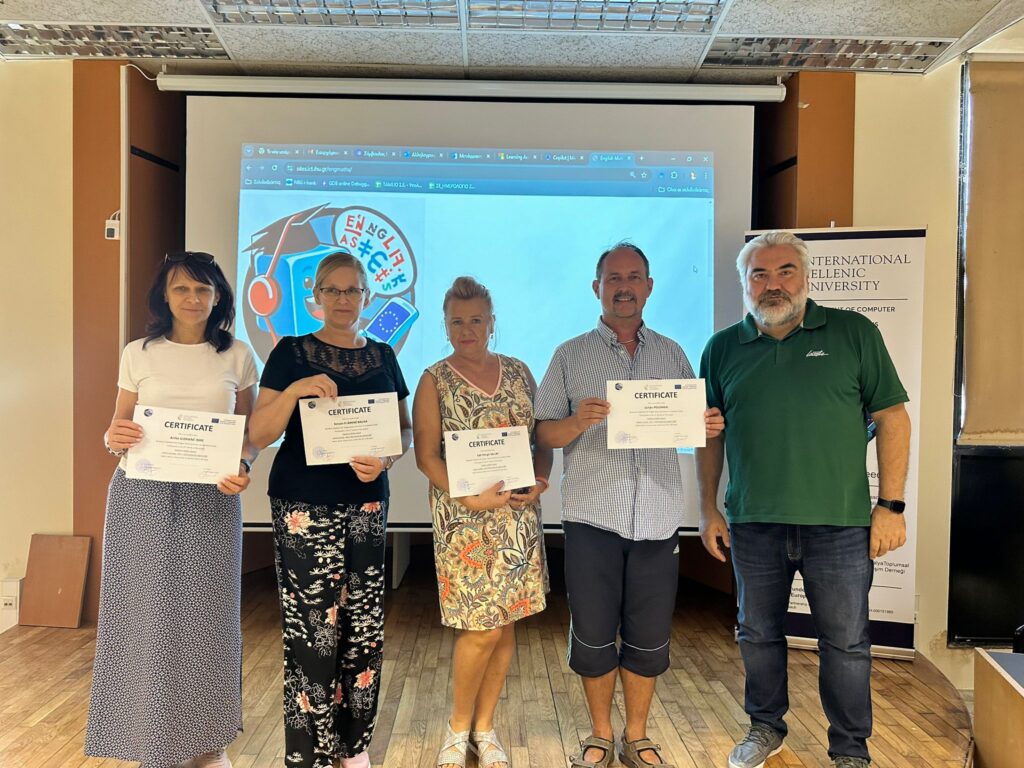
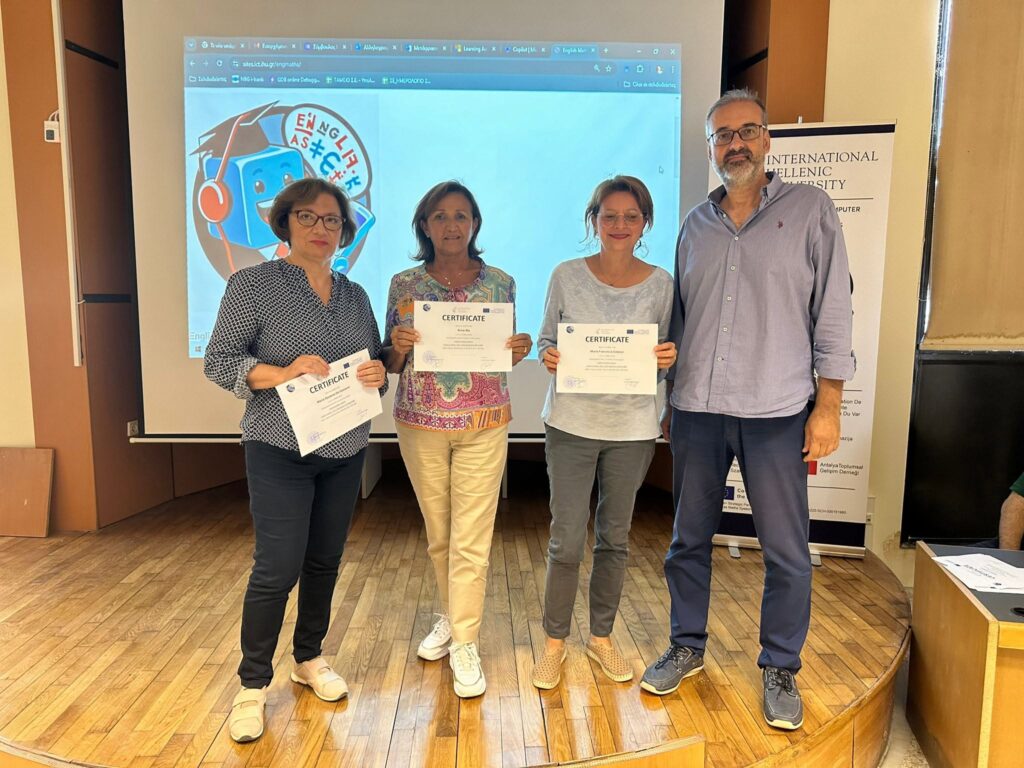
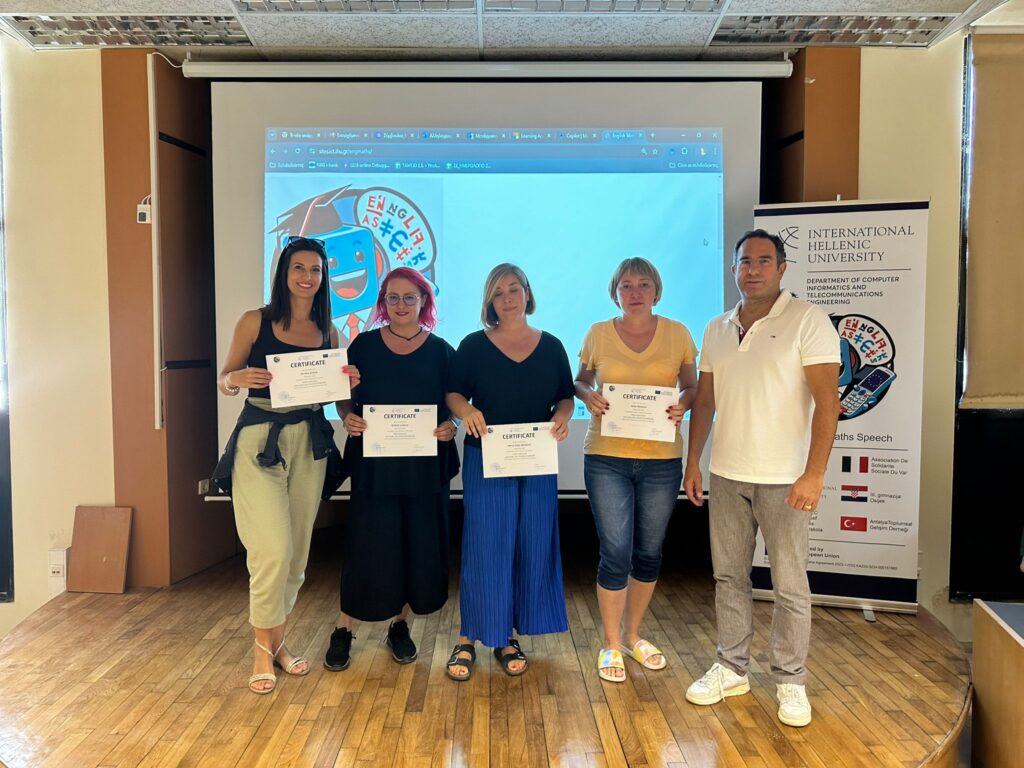
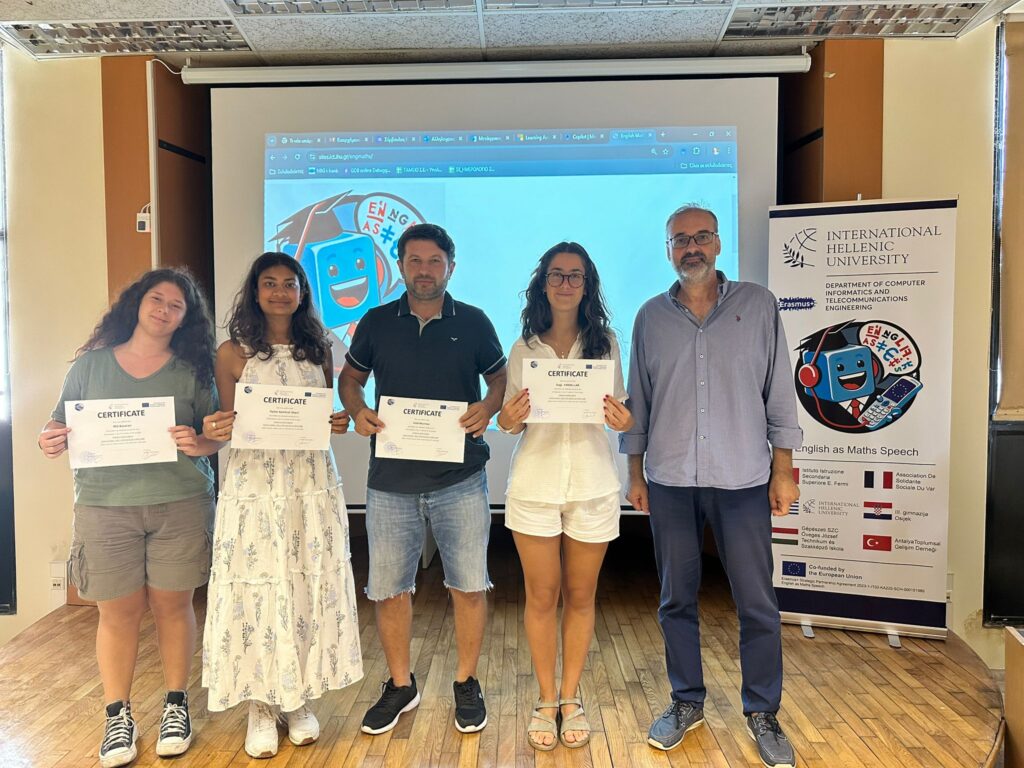
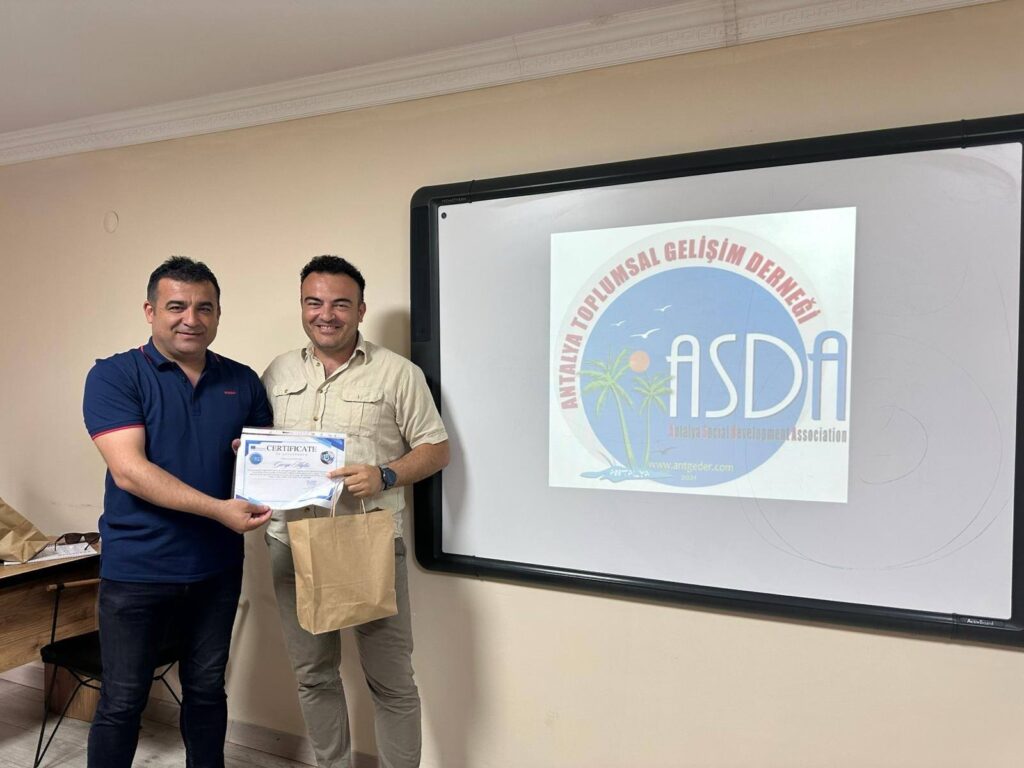
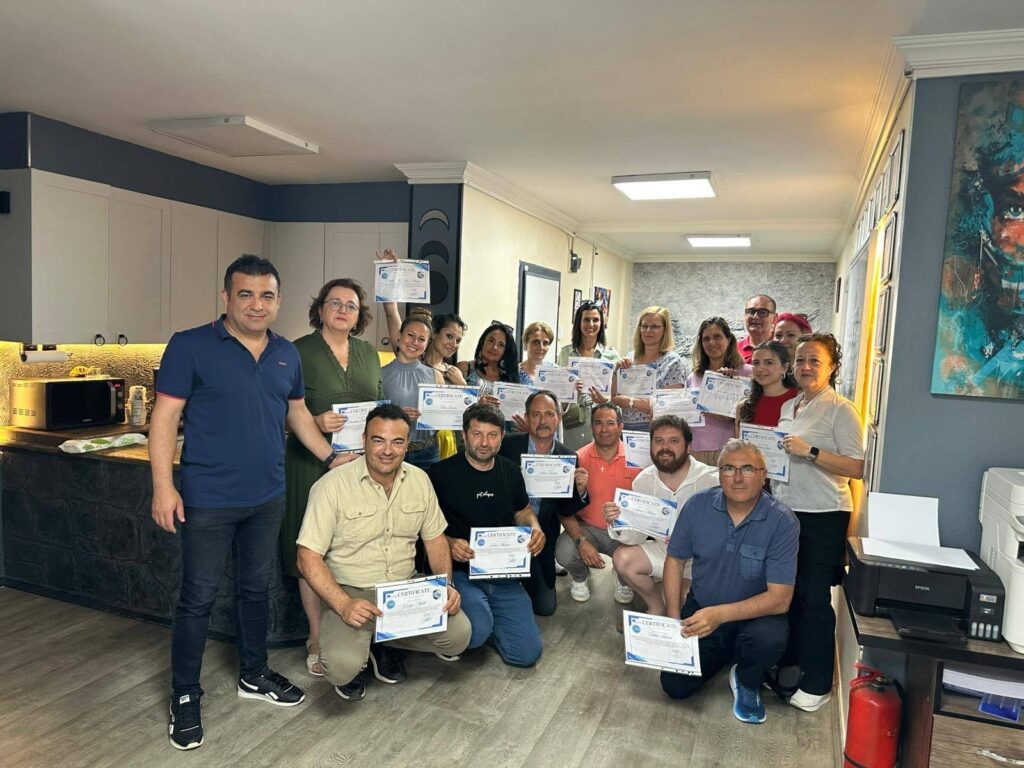
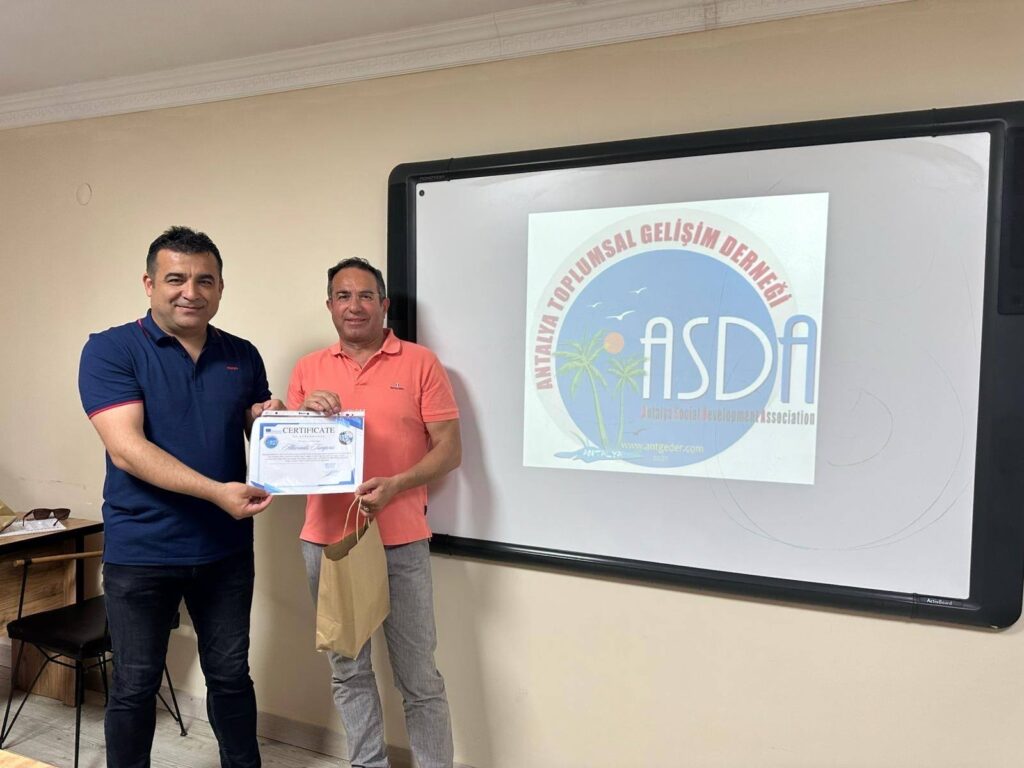
- Evaluation and Closing Ceremony: The meeting concluded with an evaluation of the week’s activities, gathering feedback on the sessions and discussing improvements for future events. Certificates of participation were handed out to the attendees.
- Outcomes of the Meeting
The Serres LTTA meeting was successful in achieving its objectives. Key outcomes included:
- Enhanced understanding among educators of how to teach mathematics in English to non-native speakers.
- Identification of effective strategies for using technology and interactive tools to improve student engagement in math.
- A framework for differentiated instruction that can be applied in classrooms with diverse learners.
- Resources and materials developed during the meeting will be translated and refined for use in the EMS project’s Open Educational Resources (OER) platform and mobile app.
- Strengthened collaboration among project partners, laying the groundwork for future transnational meetings and dissemination activities.
- Conclusion
The Serres meeting was an essential step in achieving the overarching goals of the EMS project. The collaborative effort and exchange of ideas among participants from different educational backgrounds have enriched the approaches to teaching mathematics in English. The knowledge and tools developed during this meeting will directly contribute to creating more inclusive, effective, and engaging mathematics learning environments for students across Europe.
LTTA in TURKEY

English as Maths Speech
Project Number: 2023-1-IT02-KA220-SCH-000151980